
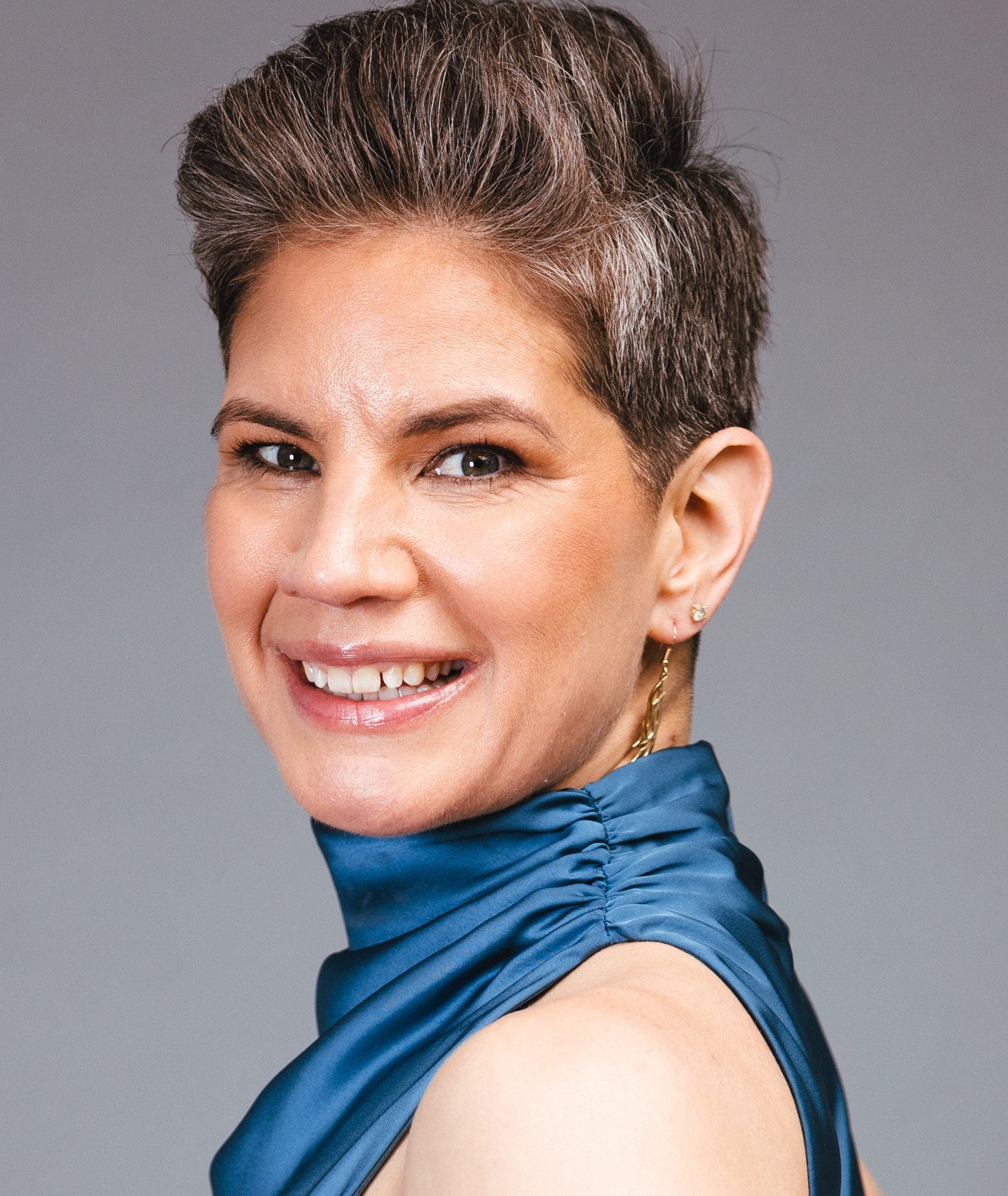
Ahneen, Andrea L.K. Johnston nindizhinikaaz. I started Johnston Research Inc. in 2001. Neyaashiinigmiing ndojeba, Toronto ndindaa. Mikinaak dodem. I have been working full-time in the field of Indigenous evaluation for over 20 years. I believe strongly in the reconciliation between Indigenous and Western thought in the field of evaluation. This is what drives my work as an evaluator – striving to find better ways to document the truth. As a trainer in Indigenous evaluation, I seek to share knowledge. My view is that we are born as unbiased evaluators; however, we need help as adults to re-learn how to wear an unbiased lens that will lead us to the truth in our work as evaluators. This logic leads me to believe that evaluative thinking can be taught. The traditional name of my ancestral territory means “body of land that sticks out into a large body of water”. My family is located on the Bruce Peninsula, about halfway up on the east-side nestled between Georgian Bay and dolomite limestone escarpment cliffs. I was born and raised in the Native community of Toronto, am a little beaver graduate, and was trained and mentored as an evaluator for six years in my youth within the Native community of Toronto.
Experience
Andrea Johnston has managed over 140 projects for local, regional and national organizations and governments and is recognized as an expert in the use of indigenous knowledge in the field of evaluation through building relationships and partnerships with communities, developing research and evaluation tools and methodologies, interpreting data, and reporting on findings. The 800 interviews Johnston has completed within over 120 contracts have involved as many as 50 First Nations, 30 Métis communities, and 12 Inuit communities.
Johnston is an innovator in using artistic and technological approaches to enhance Indigenous evaluation practices and in promoting self-evaluation knowledge among program staff, transferring knowledge visually and orally through video and 3-D graphical mediums. Johnston is regarded as a national expert in Aboriginal evaluation techniques. Over the past 17 years, she has conducted site visits to over 50 different First Nations communities for research purposes and case studies. She performed interviews, focus groups and other forms of consultation and respectful data collection, always within an Aboriginal-specific approach.
Guided by Cultural Protocols
(late) Pauline Shirt baa, Elder of the Plains Cree Red-tail Hawk clan, Pauline Shirt was born and raised in Saddle Lake Reserve, Alberta, a member of the Three Fires Society and the Buffalo Dance Society, and founder of the First Nations School and the Red Willow.
- Andrea spent 4 years as Pauline’s assistant in ceremonies, including healing ceremonies, sunrise ceremonies, feasts, fasting, sweats, tree blessings and more (1988-1991: and onwards up to her passing, Pauline was a gifted healer and teacher to Andrea).
(late) Adam Lussier baa, Chippewa Healer, Red Lake, Minnesota. He provided traditional healing and guidance to clients and other healers associated with Anishnawbe Health Toronto. He was a mentor and teacher to other Traditional Healers, such as Robert (Pete) Keshane, who fasted under his tutelage. He is recognized for his contributions to the traditional practices and knowledge offered through Anishnawbe Health Toronto.
- Andrea received her spirit name from Adam Lussier baa in 1992. She also received healing medicines from Adam Lussier baa, white pine bath medicines and waws in short order, cured of eczema. Adam Lussier baa, also supported Andrea in her leadership development, learning medicine and teachings, and gifted Adam Lussier baa an End of Journey beaded frame Andrea had created (1992 – 1996).
(late) Vern Harper baa, Cree spiritual Elder and Medicine Man, The “Urban Elder”, fifth-generation grandson of Mistawasis, “Big Child” – a hereditary Chief. His Cree name, Asin, means Stone. Among his many diverse roles, Vern Harper is one of only a few Elders in Canada with Chaplain status having worked with Correctional Service Canada.
- Vern Harper provided spiritual guidance to Andrea and shared stories of his childhood, spoke of ceremonies, and shared traditional teachings (1991 – 1998).
Evaluation Training: Evaluation Advisor, Dr. Linda Fischer (WLN Research and Evaluation)
- Andrea gained evaluation skills in SPSS; Targeting Outcomes of Programs (TOP); Logic Model (Bennett and Rockwell); evaluation framework development; implementation management; and program evaluation. (1997-2001)
Bachelor of Arts in Sociology, University of Toronto (2002).
Haudenosaunee Geraldine Standup, Mohawk and belongs to the Bear Clan from Kahanwake) Quebec
- Andrea met with Geraldine for over three years to develop the Waawiyeyaa Evaluation Tool, along with other leaders and Knowledge Keepers. Geraldine was instrumental in steering the development of the Tool. (2004 – 2008)
Jacqui Lavalley, Chippewas of Nawash, 2nd degree in the ‘Three Fires Grand Medicine Lodge’, Raised-up in 1996 as Gokoomis at Native Canadian Center of Toronto, has completed her Master’s Degree in Environmental Studies at York University, and is almost complete he Oral Knowledge PhD at University of Toronto.
- Andrea spent ?time talking with Jacqui, attending her ceremonies for 4 years, learning ceremonies, songs and the language (2012-2016)
Pikangikum First Nation is a remote settlement of approximately 1720 people located in the Sioux Lookout District of northwestern Ontario. Working with the Elder’s Council, of 30 plus Elders.
- Andrea spent the day in the presence of the Elders, and while I could not speak Cree, I learned so much from their mannerisms, laughter, and movements (2013).
Elder Mark Wedge, Carcross/Tagish First Nation, is a council member of the Council of Yukon First Nations. He has also served as Chief of Carcross/Tagish First Nation, and is a Board Member of the First Nations Bank.
- Andrea continued learning about other Nations’ cultural knowledge and traditions by spending three days in Carcross/Tagish First Nation and visiting the land with Elder Mark Wedge (2016).
Elder Grandma Leona Carter is a Cree woman from the Onion Lake Cree Nation, SK/AB, fluent in her language and traditional in her beliefs and practices. She has a Bachelor of Arts degree in Psychology with work experiences in areas related to recreation, addictions, child welfare, education, and corrections, and was appointed Parole Board Member for the Parole Board of Canada-Prairie Region.
- Andrea worked alongside Elder Leona Carter, providing together with Pat Baxter, cultural competency training to the Federal government employees, covering Indigenous cultural knowledge transfer and education to support and enhance the experiences of Indigenous Peoples working with the Federal Government (2018 – 2025). Elder Leona Carter continues to be an avid supporter of Andrea work and passions (present day).
Theses, Articles, Publications and Presentations
- A. L. K., 1997. Looking for Role Models: A Comparison between First Nations University of Toronto Students and First Nations Youth of Native Child and Family Services, Toronto
- A. L. K., 2000. Cultural Identity in an Urban Setting as Expressed by Parents of an Aboriginal Children’s Program, unpublished thesis
- A. L. K., 2002. Walking in the Footsteps of Our Teachers. Unpublished.
- A. L. K., 2009. Perspectives on Ethical Aboriginal Evaluation, Aboriginal Policy Research Papers Series, 30 September issue
- A. L. K., 2009. Aboriginal Ways of Knowing: Aboriginal-led Evaluation (ed), Canadian Journal of Program Evaluation, winter issue
- A. L. K., 2009. Using Technology to Enhance Aboriginal Evaluations, Canadian Journal of Program Evaluation, winter issue
- A. L. K., 2013. To Case Study or not to Case Study: Canadian Government Evaluation Practice and the Choice of Case Studies as an Evaluation Methodology in First Nations, fall issue
- Johnston, A. L. K., 2019. Evaluation from a Place of Reconciliation; Exploring Indigenous Approaches to Evaluation and Research in the Context of Victim Services and Supports, Department of Justice
- Johnston, Andrea L. K. and Robert P. Shepard. (2025). Indigenous Administrative Reform: Exploring Complexity in Local Ways. Canadian Public Administration. Special Issue: Indigenous Transformations in Public Administration, Guest Editors: Susanne Thlessen and Jill Chouinard. ISSN: 0008-4840.